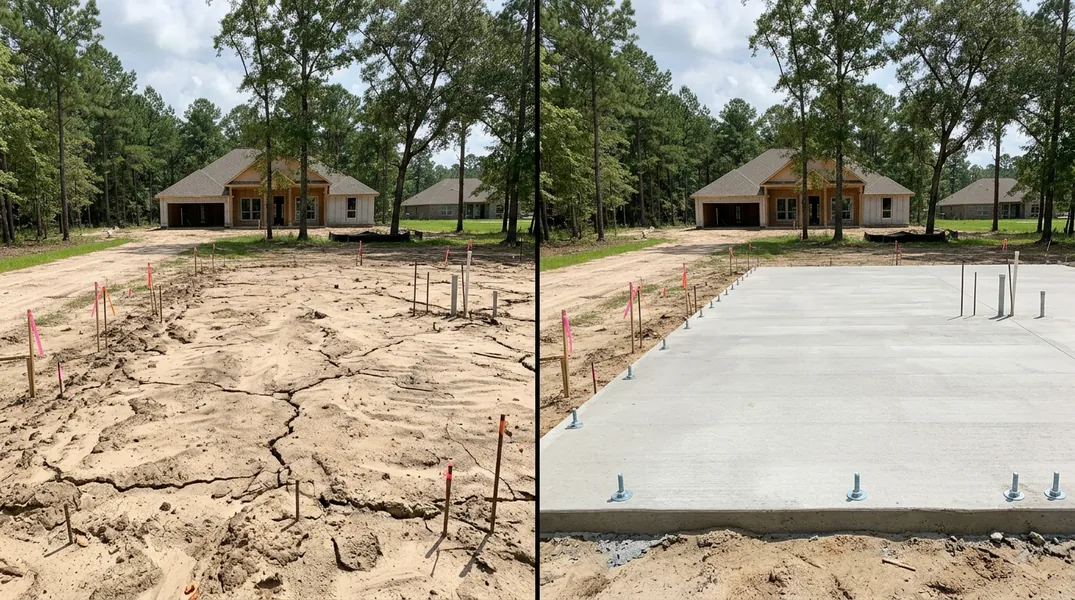
Understanding New Construction Concrete Slabs in Beaumont
Buying a new home in Beaumont is exciting, but it also comes with significant responsibility. One of the most critical components of any new construction home is the concrete foundation slab, yet many homebuyers overlook its condition until problems arise. A concrete slab serves as the structural foundation for your entire home, and any defects can lead to costly repairs down the road.
The Beaumont area experiences unique climate challenges, including high humidity, occasional flooding, and expansive soil conditions that can affect concrete performance. Understanding what to look for in a new construction slab before you close on your home is essential for protecting your investment. This guide will walk you through the key inspection points, warranty considerations, and steps you should take to ensure your foundation is solid.
What to Look for During Your Builder Foundation Inspection
A thorough builder foundation inspection should occur before you close on your new home. Start by examining the concrete surface for visible cracks, particularly large ones that exceed one-quarter inch in width. While minor hairline cracks are normal in concrete as it cures, larger cracks can indicate settling issues, poor installation, or subgrade problems. Walk the entire slab systematically, including areas under the home that may be less visible.
Next, check for uneven surfaces or sloping where water might pool. New concrete should have proper drainage slope away from the foundation. Look for signs of efflorescence, which appears as white, chalky deposits on the concrete surface. This occurs when water moves through the concrete and can indicate moisture intrusion problems. Additionally, inspect the perimeter where the slab meets the stem wall or footer. Any gaps, separations, or deterioration in this critical joint should be documented and reported to your builder immediately.
Don't overlook the areas around plumbing penetrations, HVAC openings, and utility access points. These are common weak spots where cracks develop or water can enter. Take photographs of any concerns and request written documentation from your builder regarding their remediation plan before closing.
New Home Foundation Warranty: What's Actually Covered
Most builders offer a new home foundation warranty, but these warranties vary significantly in scope and duration. Understanding what your warranty covers is crucial before you sign closing documents. Typically, structural defects in the foundation are covered for a period of one to ten years, depending on your builder and the warranty program they've enrolled in. However, cosmetic cracks, minor settling, and certain types of damage may not be included.
In Texas, many builders participate in third-party warranty programs that provide additional protection beyond the builder's own warranty. These programs often include coverage for structural defects, water intrusion, and certain settlement issues. Before closing, request a complete copy of your foundation warranty documentation and have it reviewed carefully. Ask your builder or real estate agent specifically what is and isn't covered, and get clarification on the process for filing a claim if problems develop.
Keep in mind that foundation warranties typically do not cover damage from natural disasters, flooding, or improper maintenance on your part. Additionally, if you make modifications to the slab or fail to maintain proper drainage around your home, you may void coverage. Document the condition of your foundation at closing with photographs and written notes, as this baseline will be important if warranty claims arise later.
Common Concrete Slab Issues in the Beaumont Area
The climate and soil conditions in Beaumont create specific challenges for concrete foundations. Expansive clay soils, which are common in Southeast Texas, can shift and heave as moisture levels change seasonally. This movement can cause the concrete slab to crack or settle unevenly. Additionally, the high water table in many parts of Beaumont means that moisture management is critical for foundation longevity.
Flooding is another concern for homeowners in this region. If your new construction home is in an area prone to water intrusion, the builder should have implemented proper drainage systems, including a sump pump or French drain if necessary. Ask your builder about the grading and drainage plan for your specific lot. Poor drainage can lead to water pooling against the foundation, which causes concrete deterioration and moisture problems inside the home.
Another common issue is inadequate concrete curing during construction. If the concrete was poured during hot, dry weather or wasn't properly protected during curing, it may develop premature cracking. Similarly, concrete poured in cold weather without proper temperature management can have reduced strength. These curing-related issues may not be immediately visible but can manifest as problems within the first few years of ownership.
Steps to Take Before Closing on Your New Construction Home
Schedule a professional foundation inspection at least two weeks before your closing date. While your builder is required to provide a foundation, having an independent inspector evaluate it gives you an objective assessment. This inspector can identify potential problems that a builder might overlook and provide documentation that protects you if issues arise later. The cost of a professional inspection is a worthwhile investment compared to the expense of foundation repairs.
Request a final walkthrough with your builder's representative specifically focused on the foundation and concrete areas. Bring a list of questions and concerns based on your own observations. Document everything in writing, including the builder's responses and any commitments they make to address issues. Never close on a home without resolving significant foundation concerns or obtaining written assurance that repairs will be completed after closing.
Review all warranty documentation thoroughly and ask for clarification on any terms you don't understand. Confirm that your builder has properly registered your home with any third-party warranty program they've enrolled in. Keep all warranty documents, inspection reports, and correspondence in a safe place for future reference. If you notice any foundation issues after closing, report them to your builder promptly and follow the warranty claim process outlined in your documentation.
When to Call a Professional for Concrete Repair and Resurfacing
Even with proper inspection before closing, foundation issues may develop over time. If you notice new cracks, water stains, or uneven settling after you've moved in, don't wait to address them. Early intervention can prevent small problems from becoming expensive structural issues. Concrete Repair & Resurfacing services can address many common foundation problems, from filling cracks to correcting minor settling.
Contact a qualified concrete contractor if you observe cracks wider than one-quarter inch, signs of active water intrusion, or areas where the slab has shifted or settled noticeably. Professional contractors can assess whether the issue is cosmetic or structural and recommend the appropriate solution. Some problems may be covered under your foundation warranty, so always check your coverage before paying for repairs yourself. If you're in Beaumont and need professional assessment of foundation concerns, Beaumont Concrete can provide expert evaluation and repair solutions. Call (409) 239-0851 to discuss your foundation concerns and get a free estimate for any needed repairs.
Don't assume that all concrete issues require expensive repairs. Many problems can be addressed with proper waterproofing, crack sealing, or targeted resurfacing. A professional contractor can determine the best approach for your specific situation and help you maintain your foundation for decades to come.
Looking for a professional concrete contractor in Beaumont? Beaumont Concrete responds fast for all your concrete needs.
Get a Free QuoteOur services: Concrete Driveways · Concrete Patios · Stamped & Decorative Concrete